Roman Paris
Lutetia and the river
The story of ancient Paris is closely tied to the Seine. The river and its crossings mattered for movement, trade and the growth of the settlement.
Follow the river through the city’s history: islands and bridges, grand landmarks and everyday life. A little context makes the view even better.
Explore the guide ↓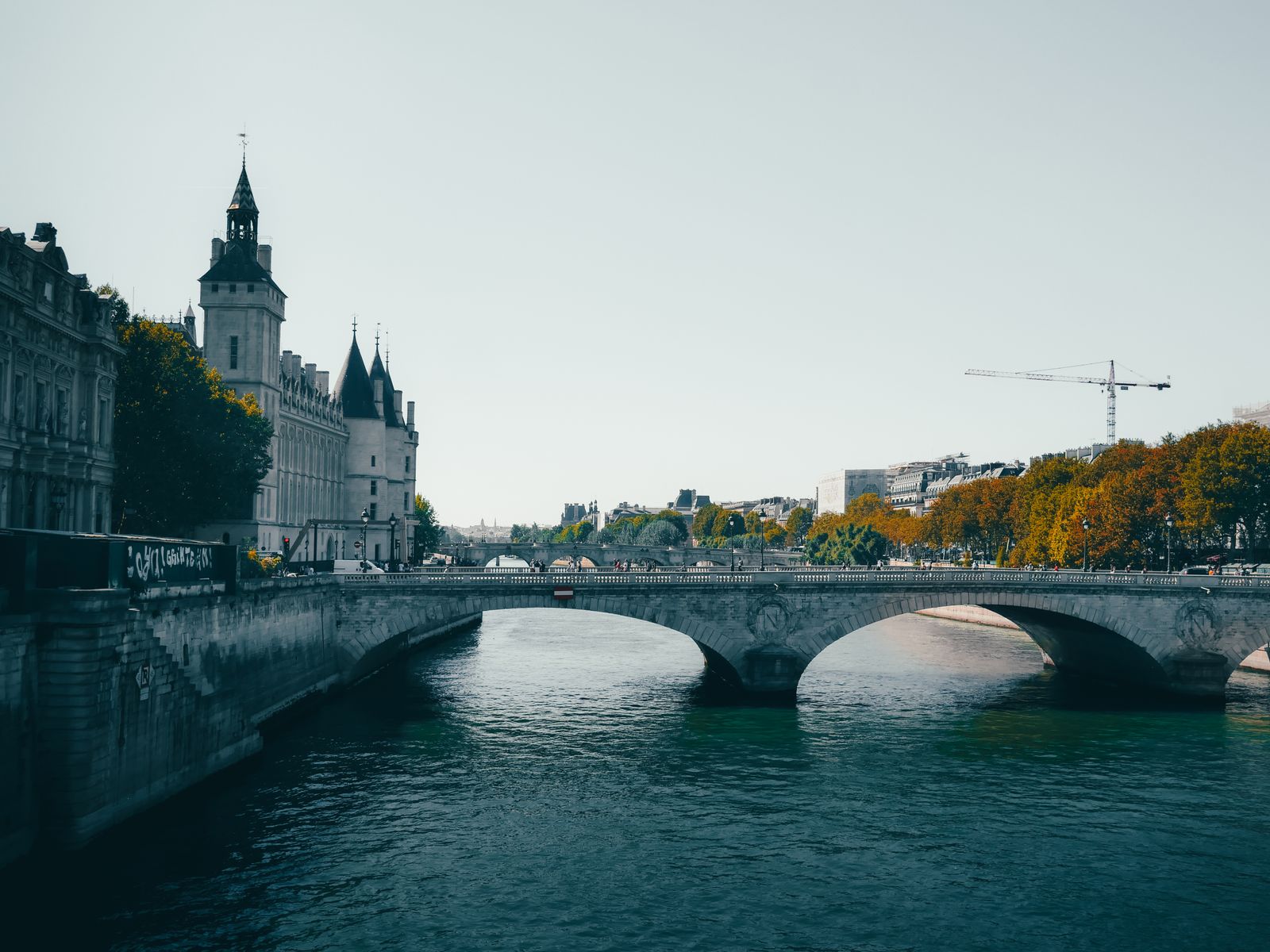
The Seine helped shape the city’s geography, trade and identity. Its islands, banks and crossings connect the historic centre with the neighbourhoods around it.
Today, following the river is a wonderfully simple way to understand Paris. Palaces, churches, museums and everyday riverbank life share the same stretch of water. Bring curiosity. A comfortable pair of shoes also helps.
A short introduction
before you explore.
The story of ancient Paris is closely tied to the Seine. The river and its crossings mattered for movement, trade and the growth of the settlement.
The historic islands and their connections became central to city life. Churches, institutions, markets and river traffic all helped shape the Paris that grew around them.
The Louvre area, the formal quays and monumental bridges make the river feel like a long introduction to the city’s architecture. Look at the banks as well as the skyline.
The central riverbanks are part of a UNESCO World Heritage site. Walkers, boats and life along the quays keep the setting firmly in the present.
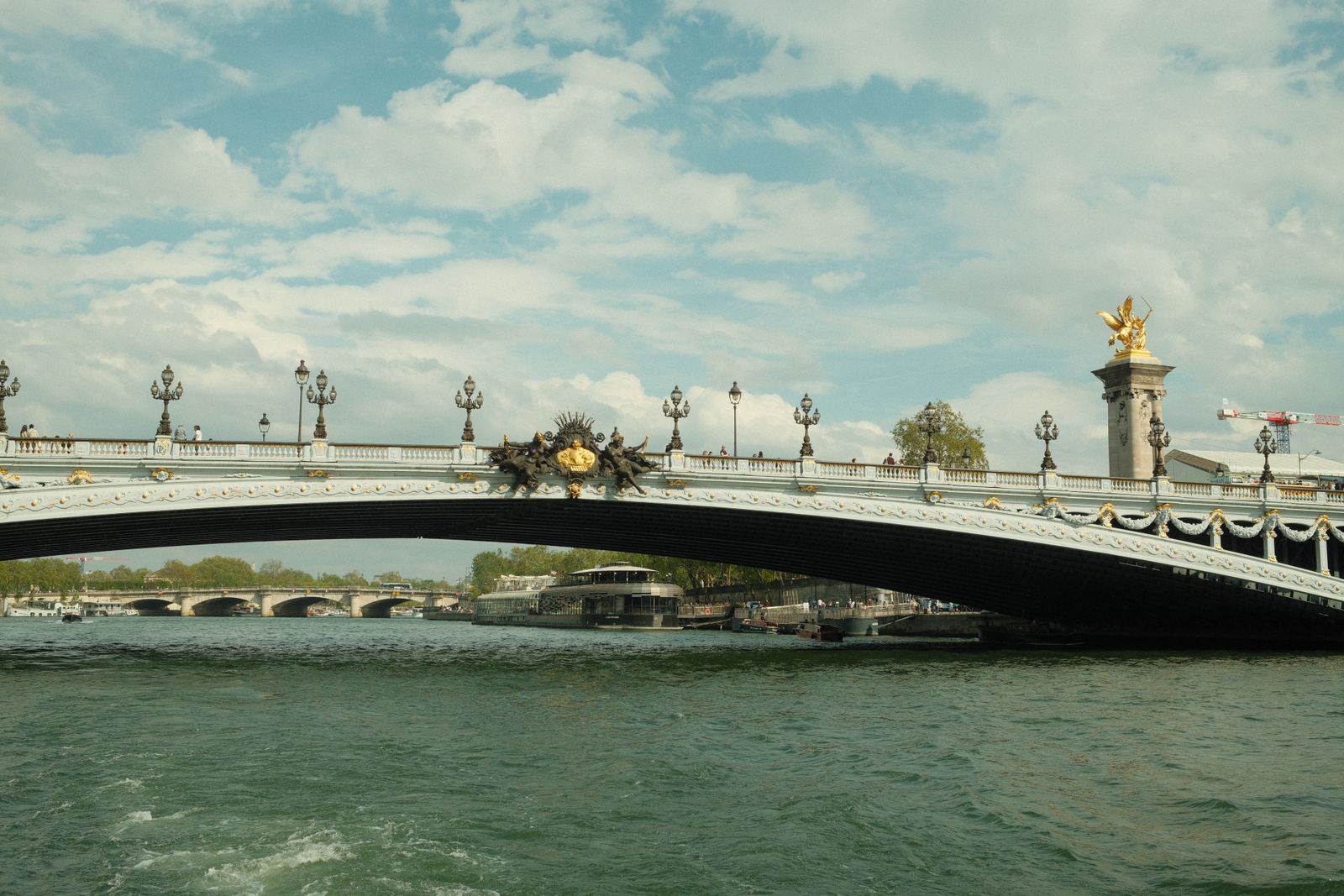
Explore the islands, cross a few bridges and allow time for the viewpoints. Our short bridges walk gives you a starting point.
Compare a sightseeing outing with a dinner cruise. Check the actual route and ticket details on GetYourGuide before booking.
The river is a useful thread through a first visit to Paris. Instead of treating each monument as a separate stop, look at the relationship between the islands, bridges and quays. From the bank, you can pause over individual details; from a boat, you experience the waterfront as a continuous scene.
UNESCO’s Paris, Banks of the Seine listing, inscribed in 1991, covers the historic riverfront between Pont de Sully and Pont d’Iéna, including Île de la Cité and Île Saint-Louis. Its description highlights how the riverside illustrates the city’s development.
Choose one riverside area to explore on foot before your cruise rather than trying to complete all of Paris in an afternoon. Around the islands, look at the relationship between the water, the bridges and the surrounding streets. Near the western monuments, notice how the views open up.
Then choose your cruise by the experience you want: sightseeing for a river perspective, dinner for an evening occasion, or private time for your own group. If historical commentary matters to you, check the language and format of the selected GetYourGuide listing. This guide describes the city, not a guaranteed cruise route.
Browse GetYourGuide listings that fit this guide. Open your chosen listing to confirm the operator, date, boarding point, inclusions, total price and cancellation terms before booking.
Explore Champagne cruises on GetYourGuide
Affiliate disclosure: Seine.Travel is an independent GetYourGuide affiliate and may earn a commission if you book through these links. Activities listed on GetYourGuide are provided by their respective operators. Listings, availability, prices and terms may change; check your selected offer before paying.